
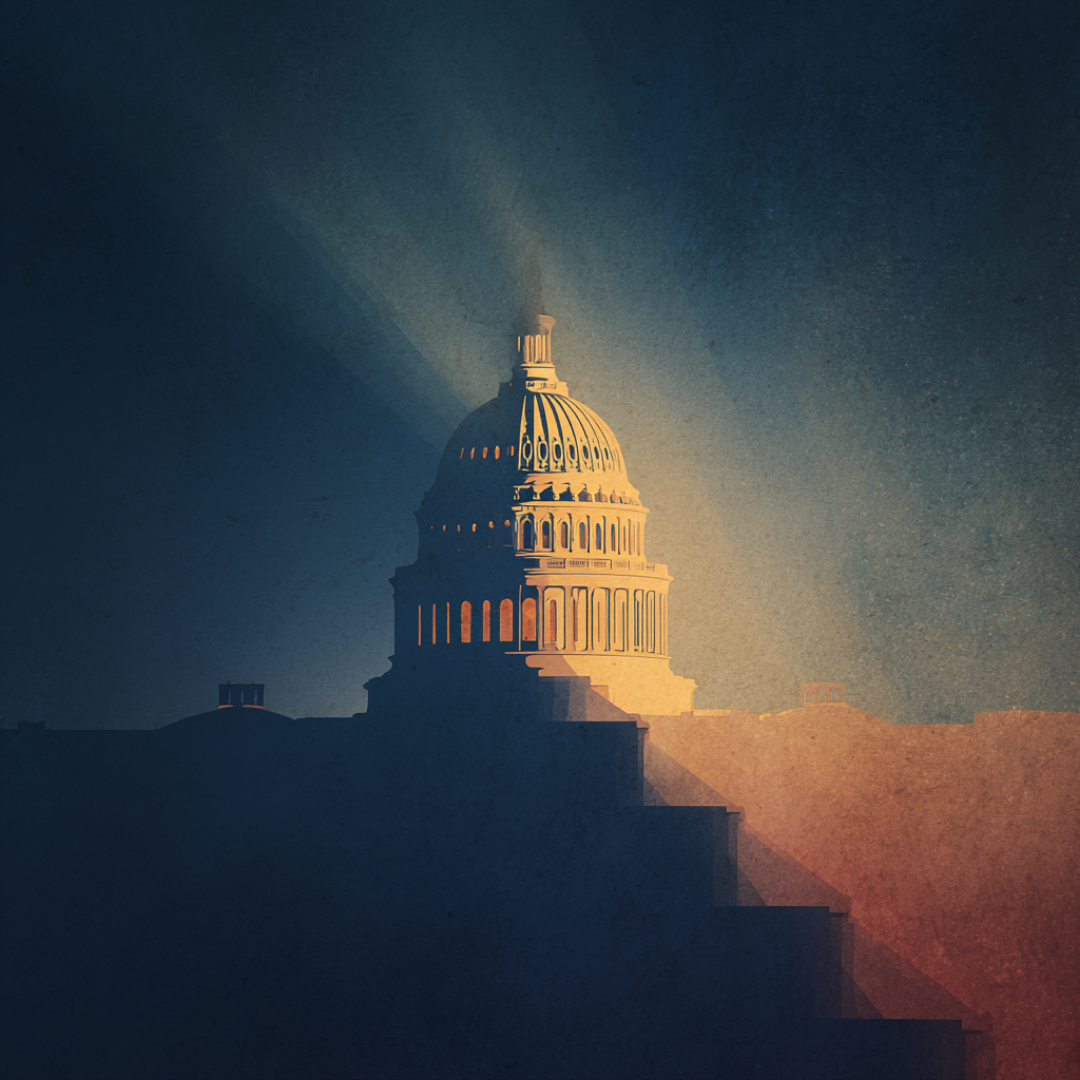
The Powers of Congress — and the Ones It Has Given Away
Congress was meant to be the most powerful branch of government — but it hasn’t kept all its powers. From declaring war to setting the nation’s budget, Article I of the Constitution gives Congress sweeping authority. Yet over time, much of that authority has shifted — to presidents, to agencies, to the courts, and even to local governments. This post breaks down what Congress can do on paper, what it has delegated in practice, and why that balance shapes how American democracy works today.
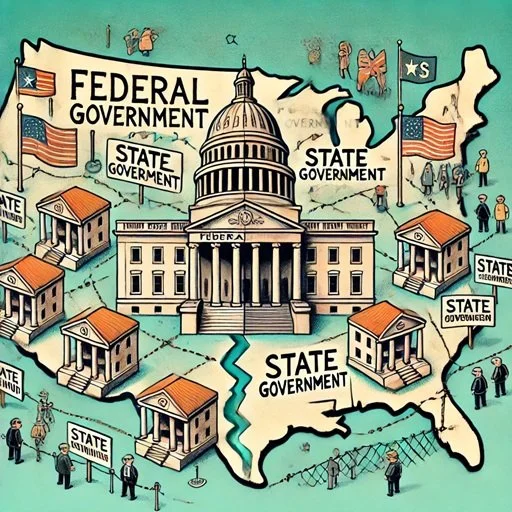
When State Laws Collide with Federal Rules: A Minnesota Story
Who has the final say—Minnesota or Uncle Sam? From cannabis legalization to education policy, state and federal governments often clash over who controls what. This post in our Road to 250 series dives into key examples of these power struggles, exploring how federalism shapes our lives and why Minnesota continues to fight for local control.

When Politics Becomes a War of Words: What Labels Really Mean
In politics, labels fly fast — “socialist,” “fascist,” “dictator,” “authoritarian.” But what do these words really mean? This post breaks down the most common political terms, from socialism and conservatism to populism and fascism. Clear definitions, no spin — so you can decide for yourself.
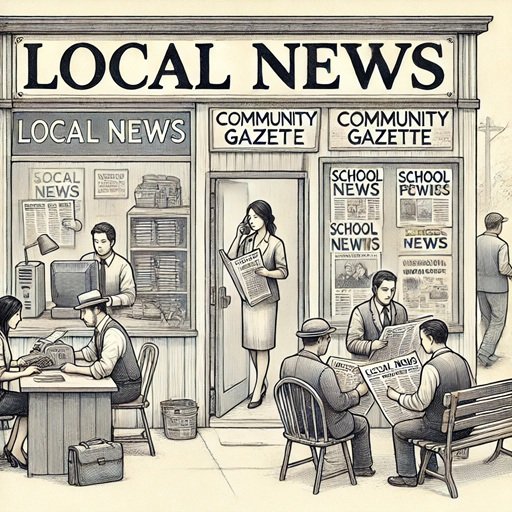
The Decline of Local Media Is Hurting Democracy—Here’s Why
What happens when your hometown newspaper disappears? Communities lose accountability, voter turnout drops, and misinformation spreads—all threatening democracy itself. This post explores why local journalism matters more than ever and highlights innovative solutions to save it before it’s too late.
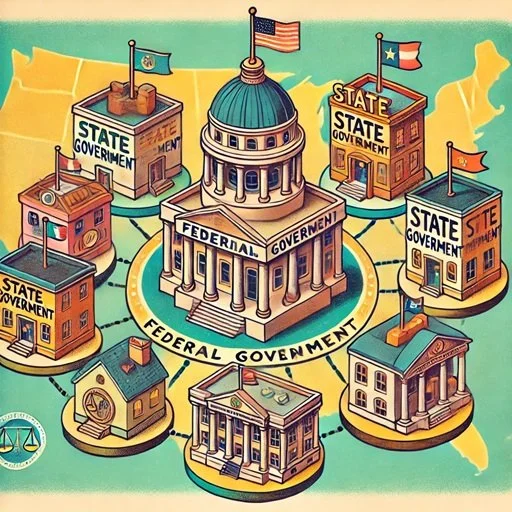
Federal vs. State Power: A Tug-of-War That Shapes America
Who holds the power—your state or the federal government? Federalism is the system that divides authority between these two levels, shaping everything from education policy to interstate commerce. This post in our Road to 250 series breaks down how federalism works, including preemption, the commerce clause, and shared powers like taxation. Learn how this balancing act impacts your daily life—and why federalism keeps our democracy dynamic.

Do Voter ID Laws Solve Problems or Create Them?
Are voter ID laws protecting democracy—or blocking access to the ballot box? In the U.S., states set their own election rules, creating a patchwork of policies that spark fierce debates about voter fraud, disenfranchisement, and fairness. This post explores how voter registration works in other countries, the role of federalism in shaping elections, and whether voter fraud is really a problem. Learn about the pros, cons, and potential solutions to strike a balance between access and integrity.

All Men Are Created Equal—But What About Women and Enslaved People?
“All men are created equal.” These words from the Declaration of Independence have inspired generations, yet their promise clashed with the realities of slavery and women’s exclusion from the start. How could a document proclaiming equality coexist with such inequality? This post in the Road to 250 series dives into the contradictions at America’s founding, exploring how reformers—from abolitionists to suffragists—used the Declaration’s ideals to fight for justice. The promise of equality remains unfinished business—and it’s up to us to continue the work.

Democracy or Republic? Why the Answer Isn’t Just Semantics
Is America a democracy or a republic — and does it matter?
You’ve heard the phrase, but the truth is more complex. This post unpacks what each term actually means, how our system is designed to work, and why labels alone don’t guarantee meaningful representation. It's not just a question of words — it's a question of power.

Advocacy vs. Lobbying: How They Work Together for Change
What’s the difference between advocacy and lobbying—and why does it matter? This post breaks down these two powerful tools for shaping public policy, exploring their unique roles, legal boundaries, and how they work together to drive meaningful change in communities nationwide. Click to learn more!

The Constitution’s Compromises: What the Founders Didn’t Get Right
The U.S. Constitution is a remarkable document, but it’s far from perfect. In this Road to 250 post, we explore its major flaws—from the Electoral College to lifetime Supreme Court appointments—and how compromises made by the Founders still impact our democracy today. Click to learn more about what they got wrong and what it means for us now!

Federalism or Fragmentation? Rethinking the Balance of Power
Do 50 states mean 50 different Americas?
Federalism gives states the freedom to govern themselves — but today, that freedom often leads to deep disparities in rights, services, and opportunity. This post examines whether our federal system still serves the people fairly — or if it’s time to rethink the balance of power.

Hidden Dollars, Hidden Agendas: Why Campaign Transparency is Key
Money plays a powerful role in shaping elections, but how much do we really know about where it comes from? In this Road to 250 post, we explore the challenges of campaign finance transparency, from dark money to super PACs, and why shining a light on political spending is essential for a healthy democracy. Click to learn more!

What Does the Third Amendment Mean Today? From Revolution to Relevance
What does the Third Amendment—banning the quartering of soldiers in private homes—have to do with modern America? In this Road to 250 post, we explore its Revolutionary War origins, its role in protecting privacy, and its surprising relevance in today’s debates about government power and personal rights. Click to uncover why this "forgotten amendment" still matters!
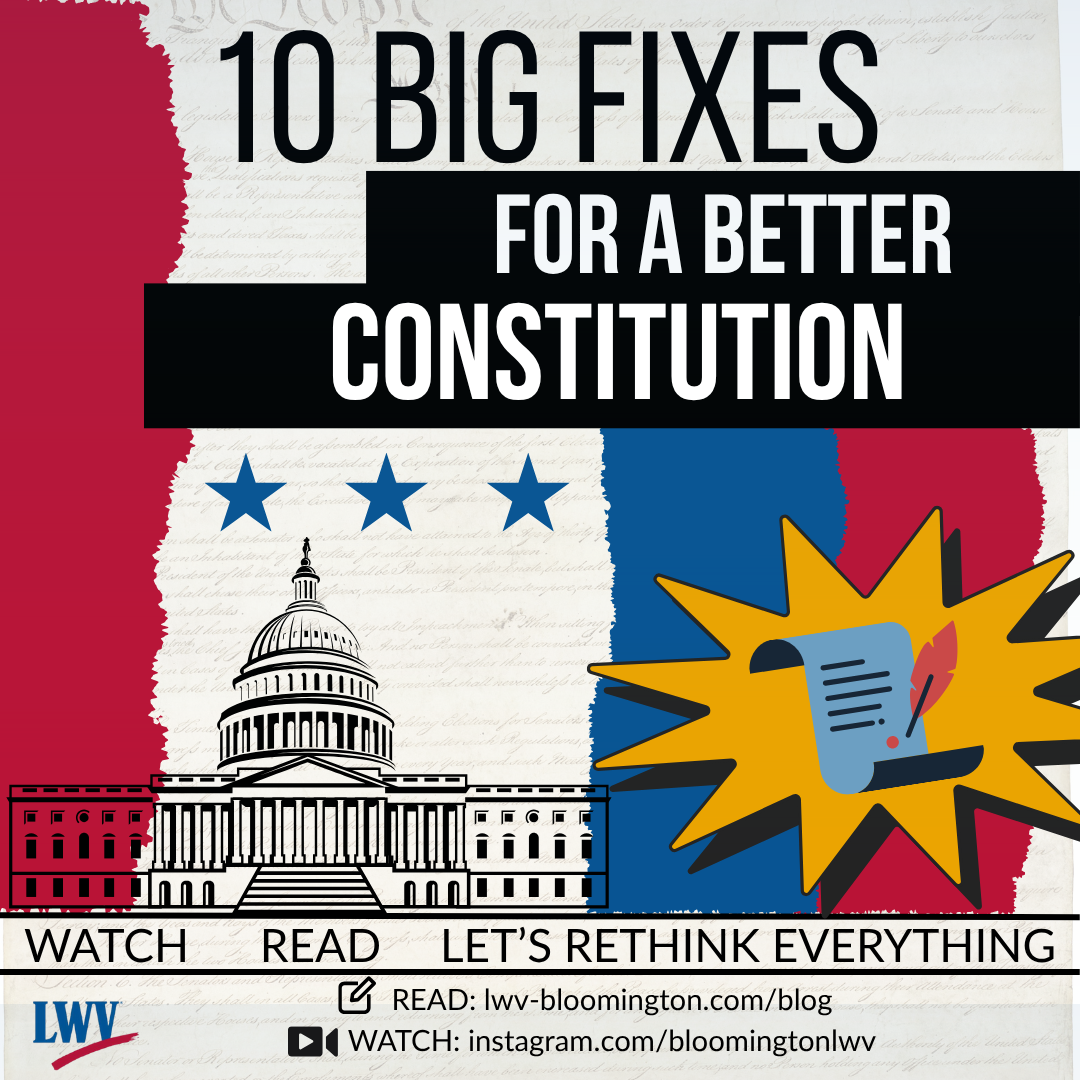
Dreaming Bigger: My Constitutional Wishlist for a Modern America
Dreaming bigger: Here’s my Constitutional Wishlist for a stronger democracy. In just 18 minutes, I share 10 bold ideas for a better Constitution. Watch, reflect, and share. What’s on your wishlist?”

Dreaming Bigger: My Constitutional Wishlist for a Modern America A Vision for a More Perfect Union
Ready for a “Fourth Founding”? Imagine rewriting America’s Constitution for today—a document that guarantees equal rights for all, protects your privacy, ensures every vote counts, and puts people before corporations. What if our Supreme Court, Congress, and elections truly reflected modern values? From climate rights to campaign finance reform, this post explores bold ideas for a just, adaptable, and future-ready democracy. What would you add to your constitutional wishlist? Dive in and join the conversation!
Fairer Elections? The Pros and Cons of Ranked Choice Voting
Money plays a powerful role in shaping elections, but how much do we really know about where it comes from? This post explores the challenges of campaign finance transparency, from the rise of dark money to super PACs, and why shining a light on political spending is essential for protecting democracy. Click to dive into the debate!
The Most Controversial Commas in American History
Did you know that commas in the Second Amendment have fueled centuries of debate over its meaning? In this Road to 250 post, we explore how punctuation shaped one of America’s most controversial rights and what it reveals about the Founders’ intent. Click to uncover the surprising power of grammar in shaping history!
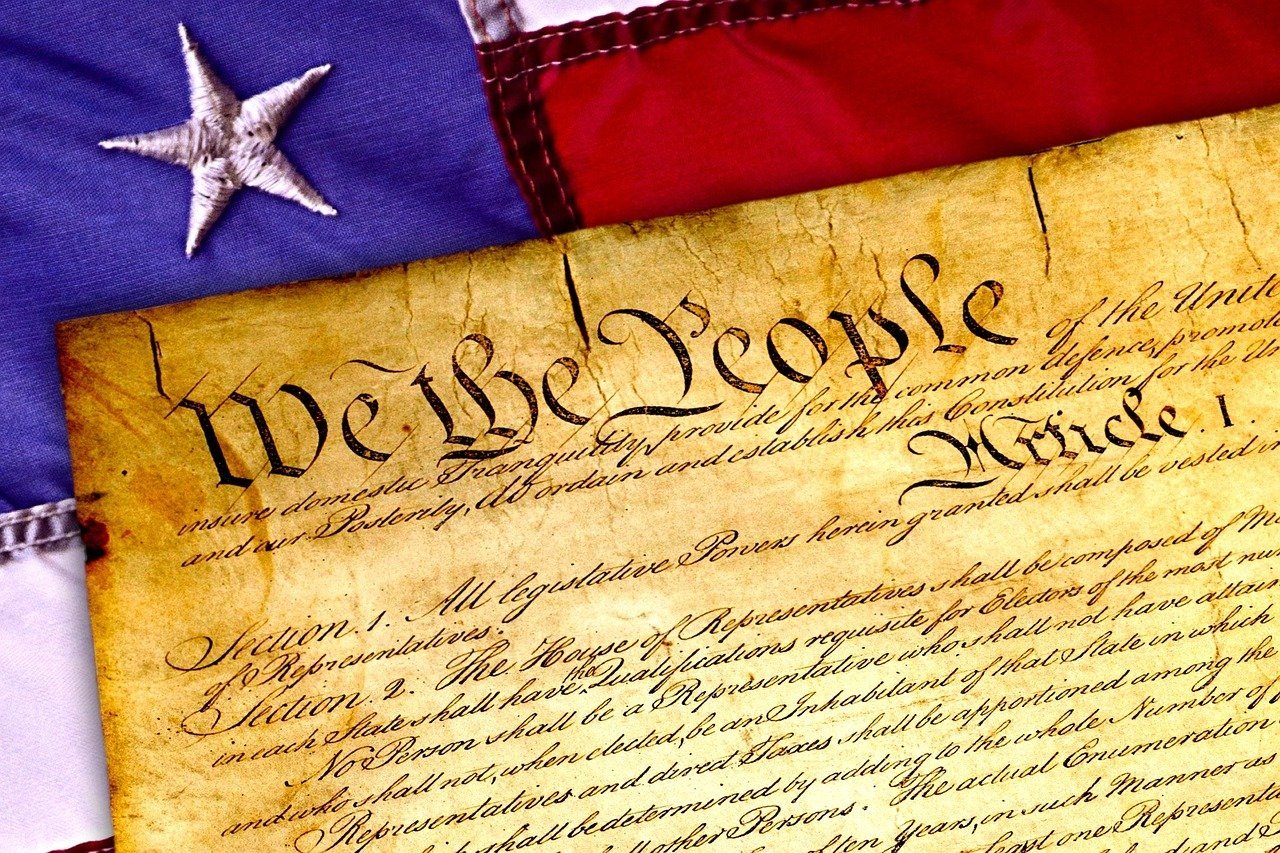
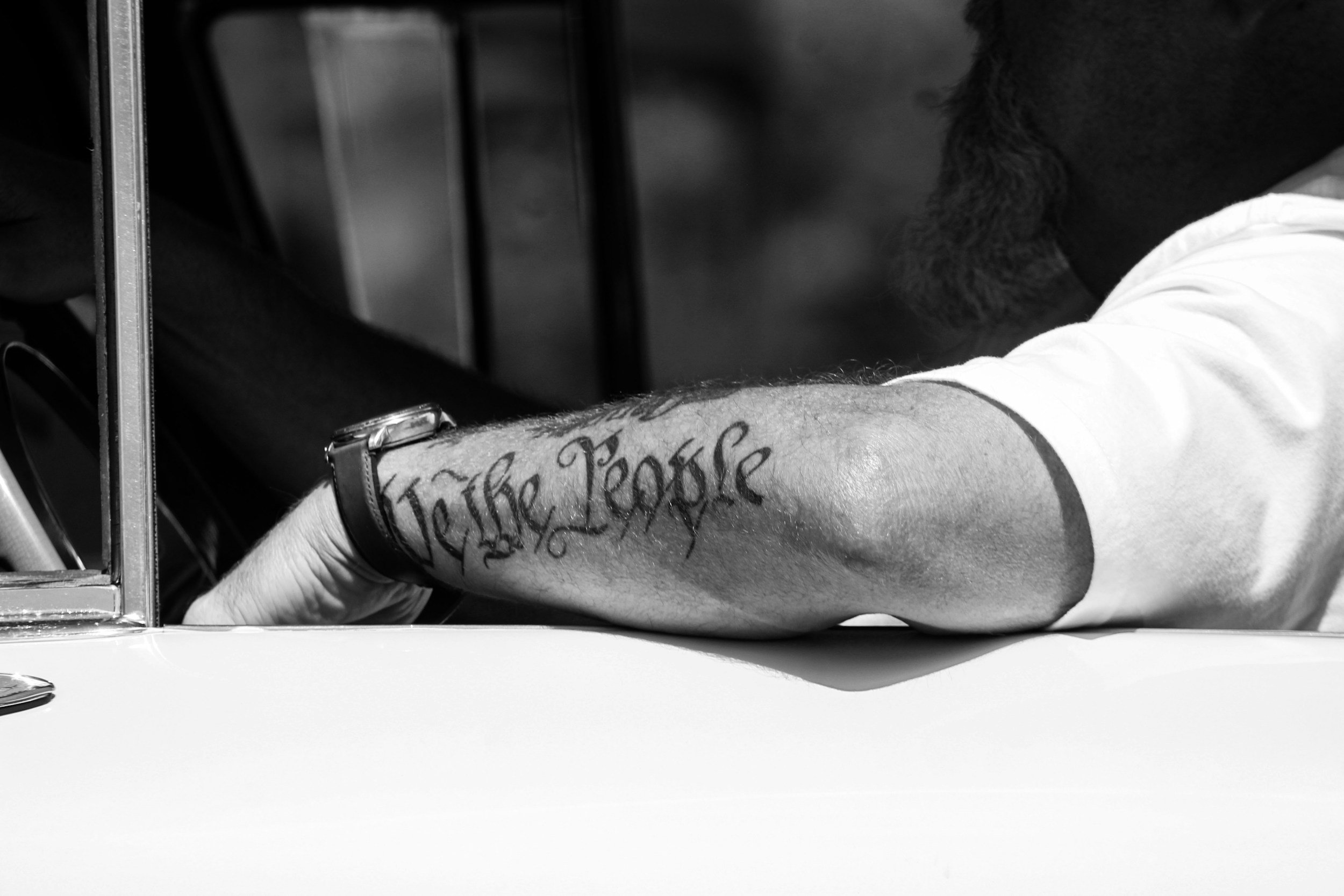
“We the People": Who Counts, Who Decides, and Who's Left Out?
Who really belongs in “We the People”?
The opening words of the Constitution are powerful — but also raise urgent questions about inclusion, representation, and belonging. This post takes a closer look at how that phrase has evolved, who is still left out, and what it means for our democracy today.

The Fourth of July: A Celebration Beyond Fireworks
July 4th marks America’s declaration of independence—a daring act that changed history forever—but did you know September 17th is just as important? In this Road to 250 post, we explore why both dates deserve celebration, from winning freedom with French help to overcoming post-war challenges with the Constitution’s framework for governance. Click to read more!
Road to 250: The Hidden Power of the 9th and 10th Amendments
Did you know the Ninth and Tenth Amendments are key to protecting your rights and shaping federalism? In this Road to 250 post, we uncover how these often-overlooked amendments safeguard unenumerated freedoms and maintain the balance of power between states and the federal government. Click to explore their lasting impact on American democracy!