
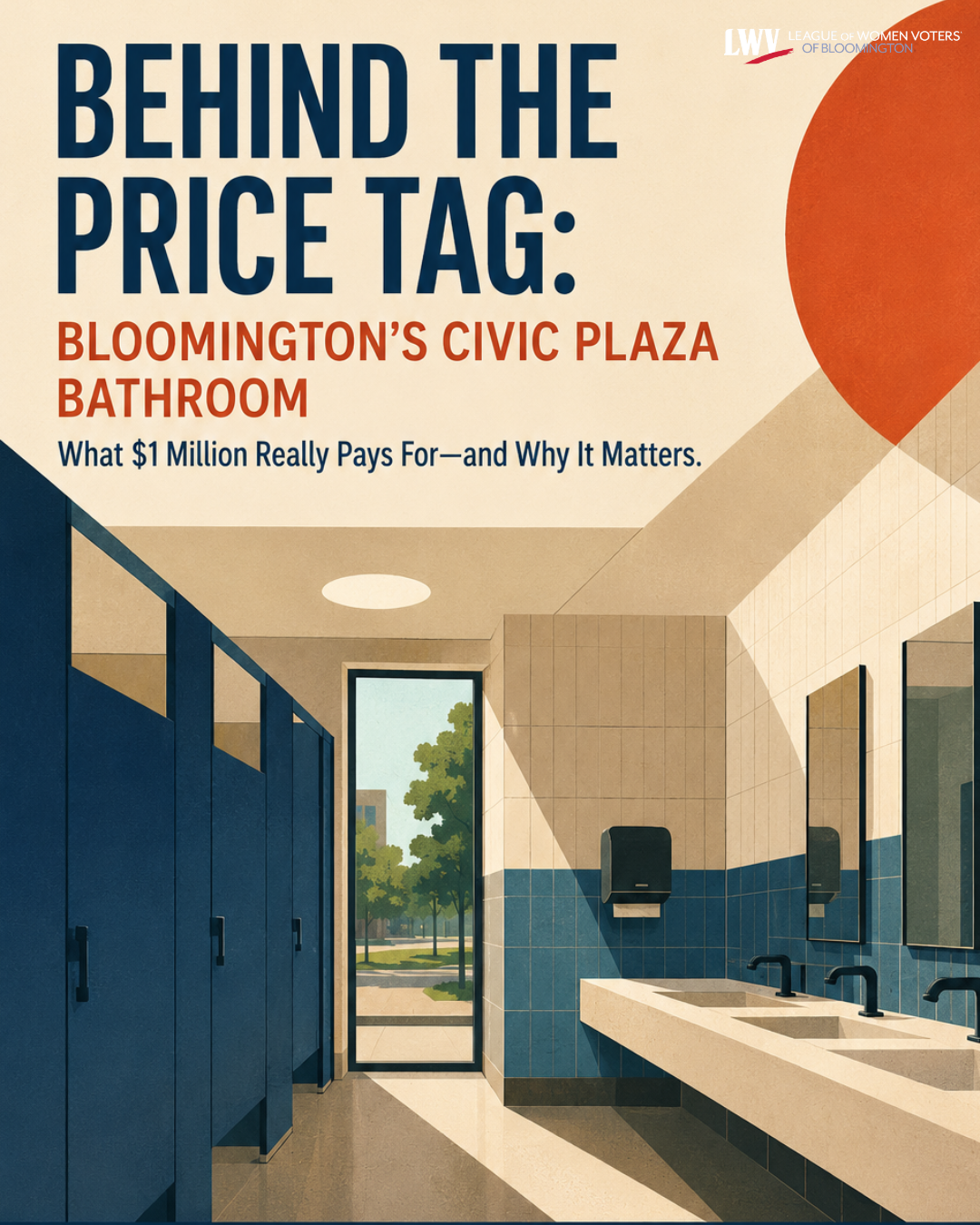
Beyond the $1 Million Bathroom: How to Evaluate a Controversial Public Project
A Bloomington restroom renovation became a lightning rod for accusations of waste and fraud, so I filed two public records requests to find out what actually happened. What I found wasn't an answer to whether the project was worth it, but a much better set of questions: the difference between disliking a decision and proving it was made improperly, and why those two things get confused so easily in local politics.
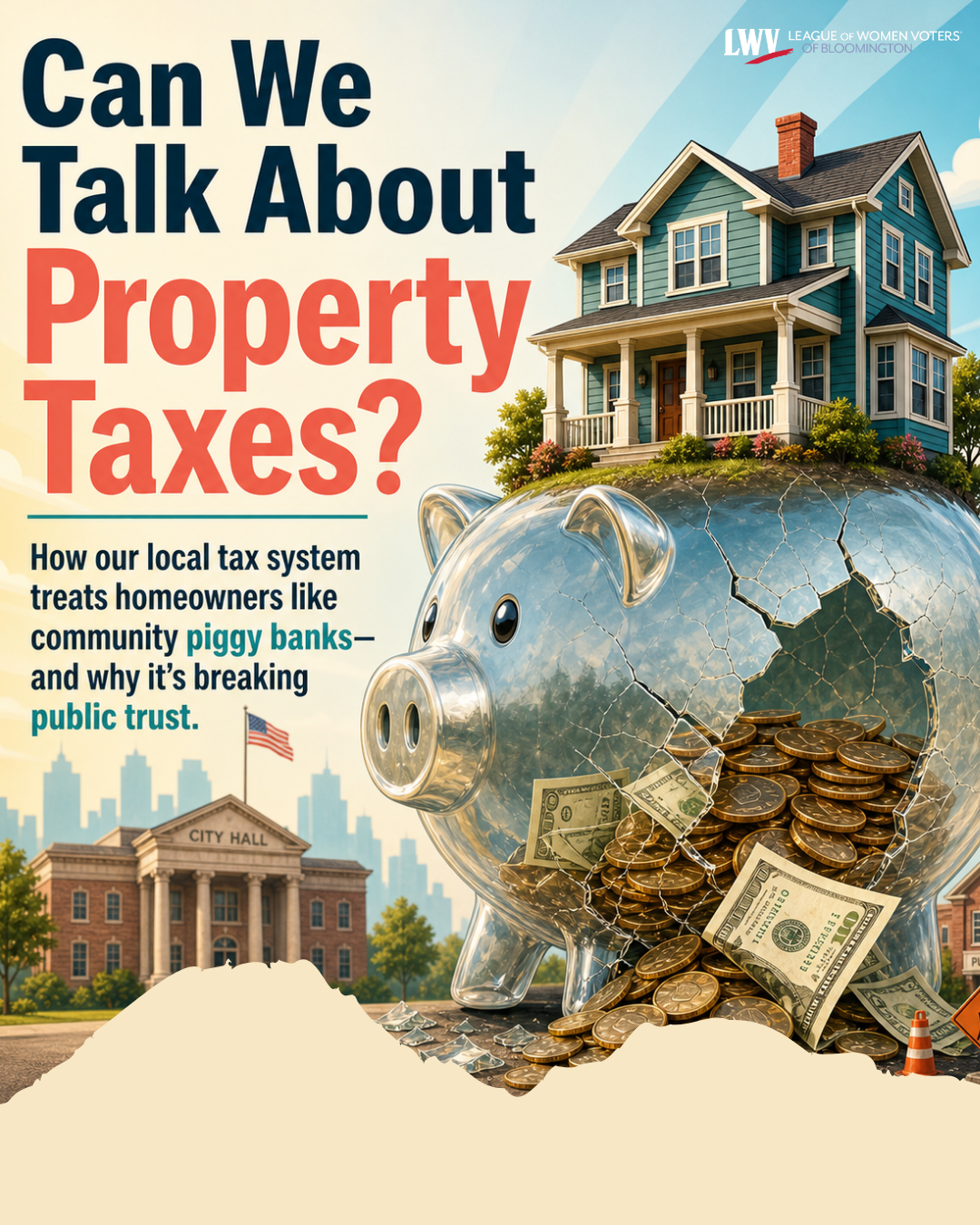
Can We Talk About Property Taxes?
One tax bill quietly funds three unrelated things: county safety nets, road repairs, and public schools—none of which have anything to do with your income or ability to pay. It's an accident of history that's become policy, and it's breaking public trust one assessment notice at a time.
This post unpacks how property tax turned homeowners into community piggy banks, why some states fund schools without the "zip-code lottery," and what a fairer system could look like.
The Hubris of Staying in Office
Public office belongs to the public. This essay examines the constitutional and democratic costs of officials who remain in power despite prolonged incapacity, absence, or declining ability to serve—and why knowing when to step aside is an essential part of public service.
(cover page image via Midjourney)
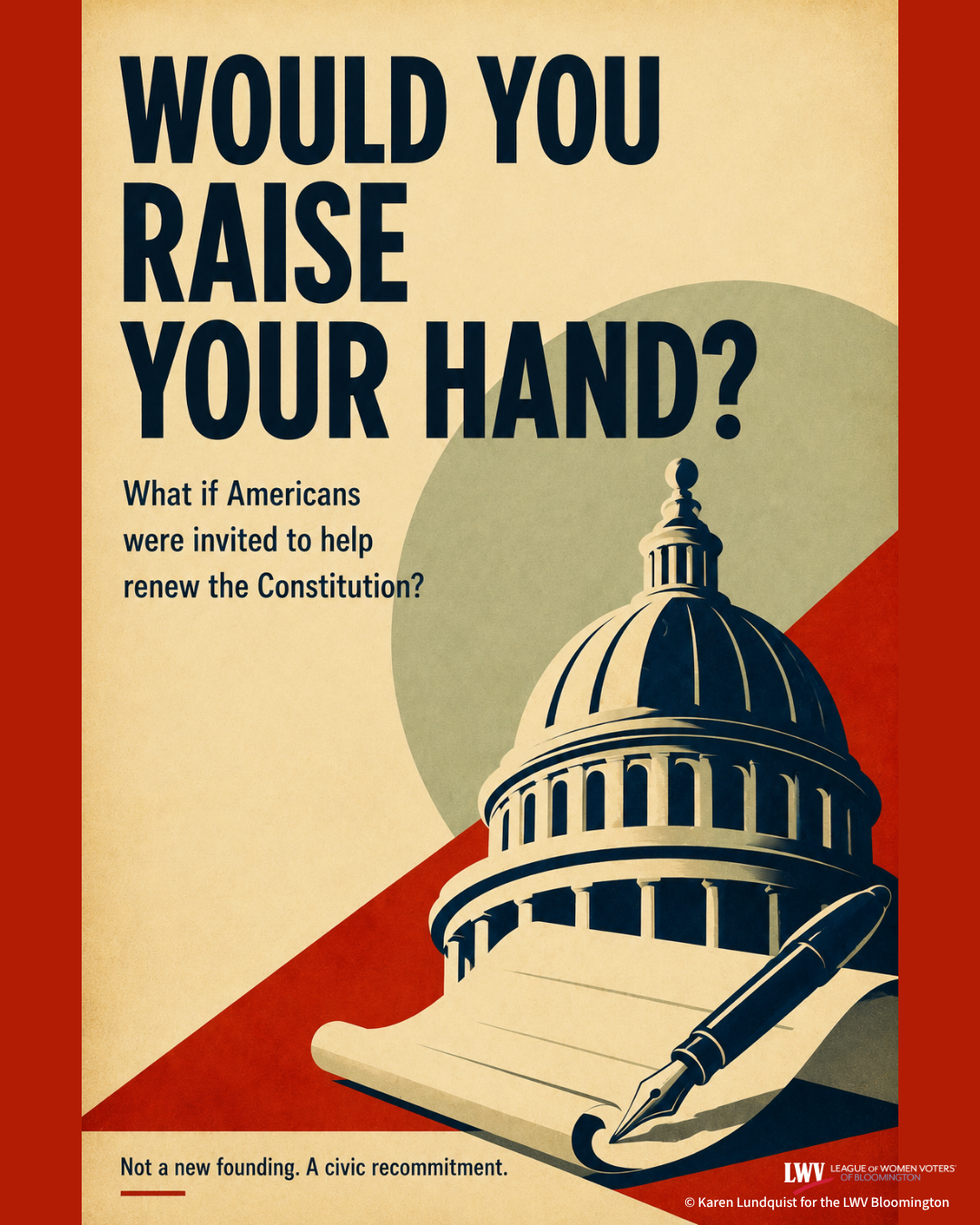
Would You Raise Your Hand?
What would it feel like to be invited back into the constitutional room? This essay imagines an American process of constitutional renewal built on the Constitution we already have. Not a new founding, but a civic recommitment. Inspired by Italy’s constituent assembly, it asks whether Americans still have the imagination, seriousness, and courage to help shape the republic together.
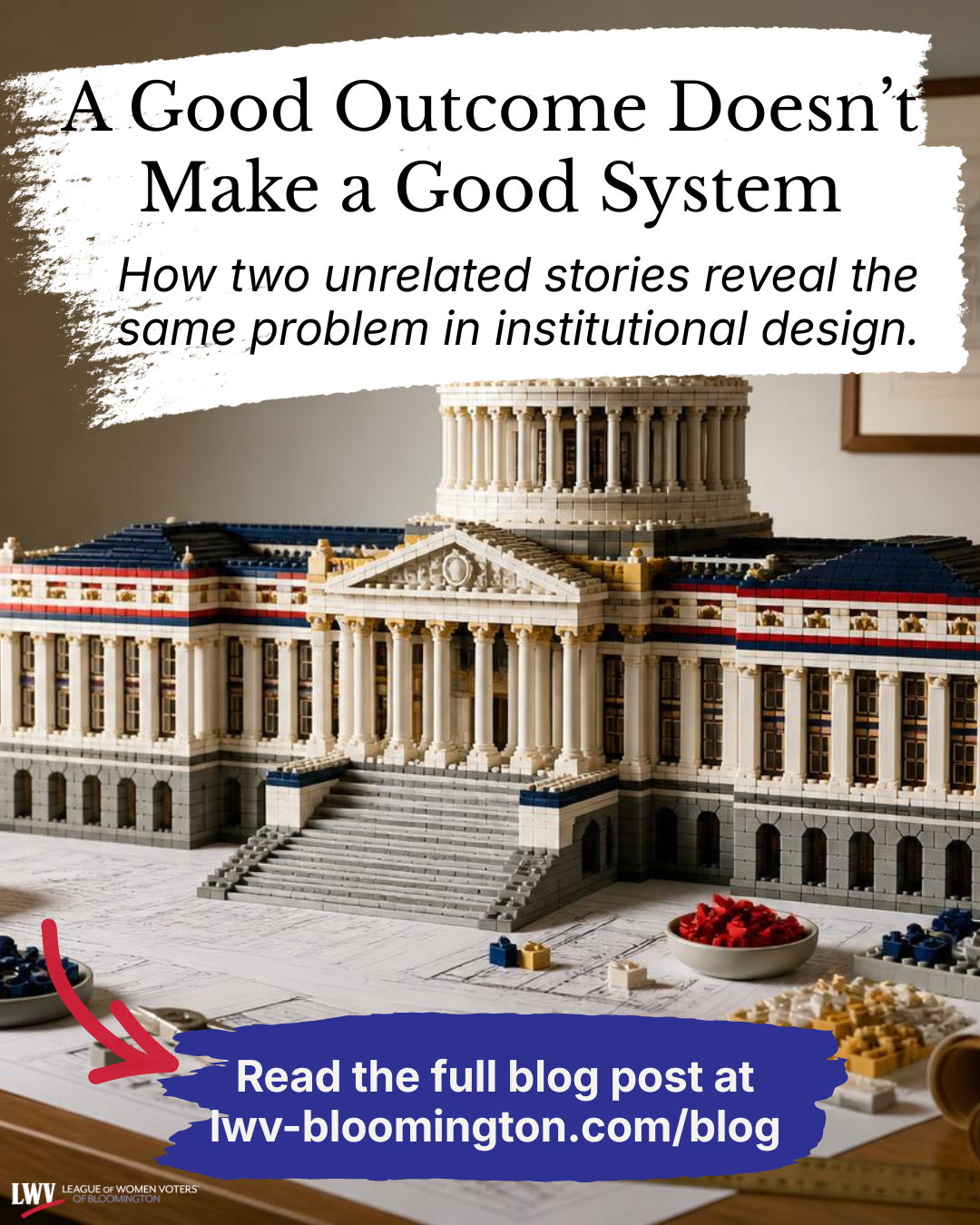
A Good Outcome Doesn't Make a Good System
We often judge our institutions by whether they reach the outcome we wanted. But that's the wrong question. A flawed system can occasionally produce the right result, just as a well-designed system can sometimes produce outcomes we dislike. Instead, we should ask a different question: If we were designing this institution from scratch today, would we build it this way? Using two recent and seemingly unrelated stories—a Child Protective Services investigation involving Pete Buttigieg and a Supreme Court decision—this essay explores why institutional design matters just as much as institutional outcomes.
U.S. v. Hemani: When Drunk Founders Decide Modern Gun Rights
This post examines U.S. v. Hemani, the Supreme Court’s latest Second Amendment decision, and the increasingly surreal “history and tradition” test that now governs gun rights. From drunk Founders to 19th‑century drunkard laws, Hemani shows how modern liberties are being measured against a selective, archaic past, and what that means for democratic governance, public safety, and the future of constitutional interpretation.
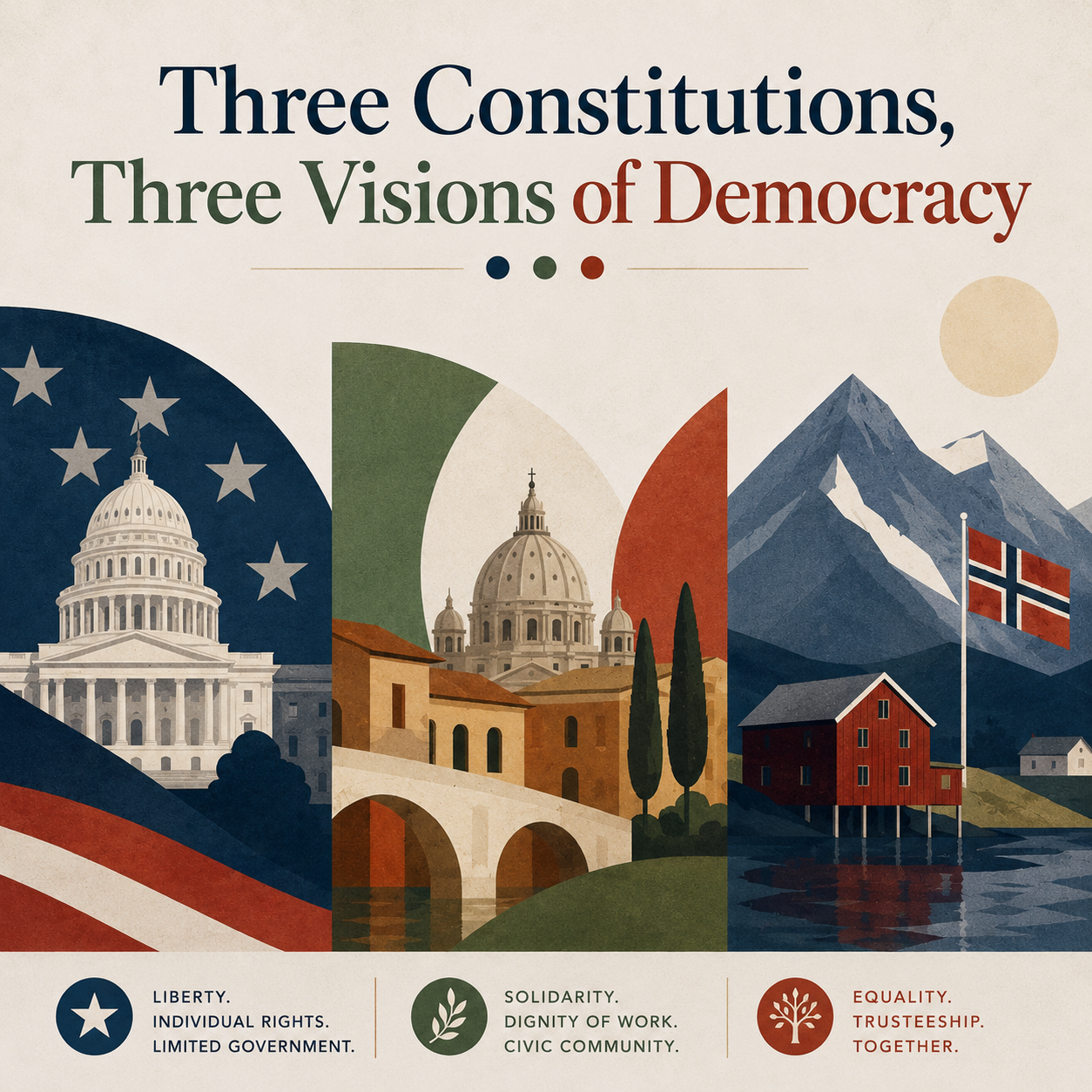
Three Constitutions, Three Visions of Democracy
The U.S. Constitution inspired constitutional movements around the world, but other nations adapted those ideas to their own histories and priorities. Drawing on recent travels in Norway and years spent living in Italy, I explore how the constitutions of the United States, Italy, and Norway reflect different visions of liberty, community, equality, and the role of government.

We Expect Too Little of Citizens
Politics shouldn’t take over your life. But a self-governing people can’t afford to ignore it, either. Between doomscrolling and disengagement is the middle lane: informed, steady, everyday citizenship.
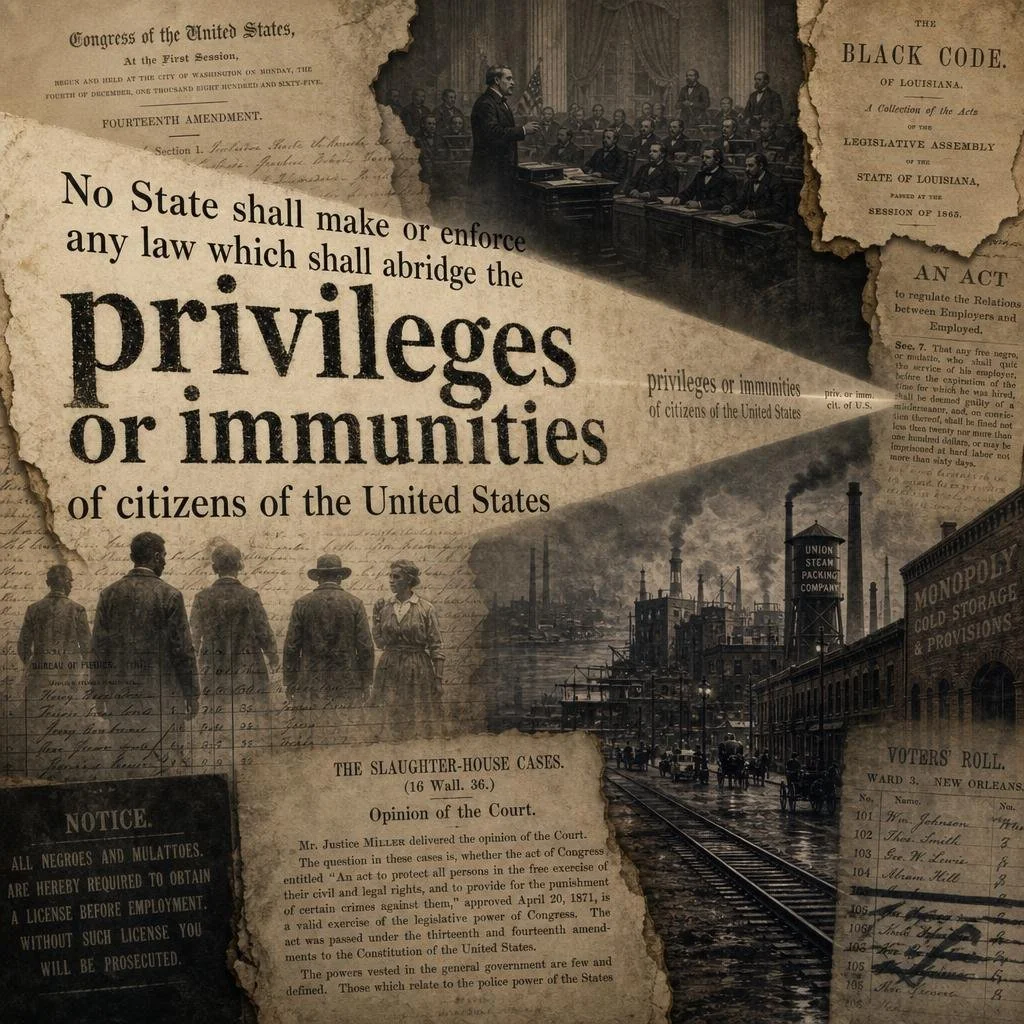
The Clause in the 14th Amendment that the Supreme Court Gutted
The Fourteenth Amendment promised more than formal citizenship. Written in the aftermath of slavery and the Black Codes, it was meant to protect fundamental rights against abusive state governments.
But only five years after ratification, the Supreme Court dramatically narrowed the Privileges or Immunities Clause in the Slaughter-House Cases — reducing what many during Reconstruction understood as broad protections of civil rights into a much smaller category of federal-status rights.
Even opponents of the amendment appeared to describe the clause more broadly than the Court ultimately interpreted it.
My latest piece explores the Privileges or Immunities Clause, Reconstruction, and how constitutional rights can remain in the text while shrinking through interpretation.
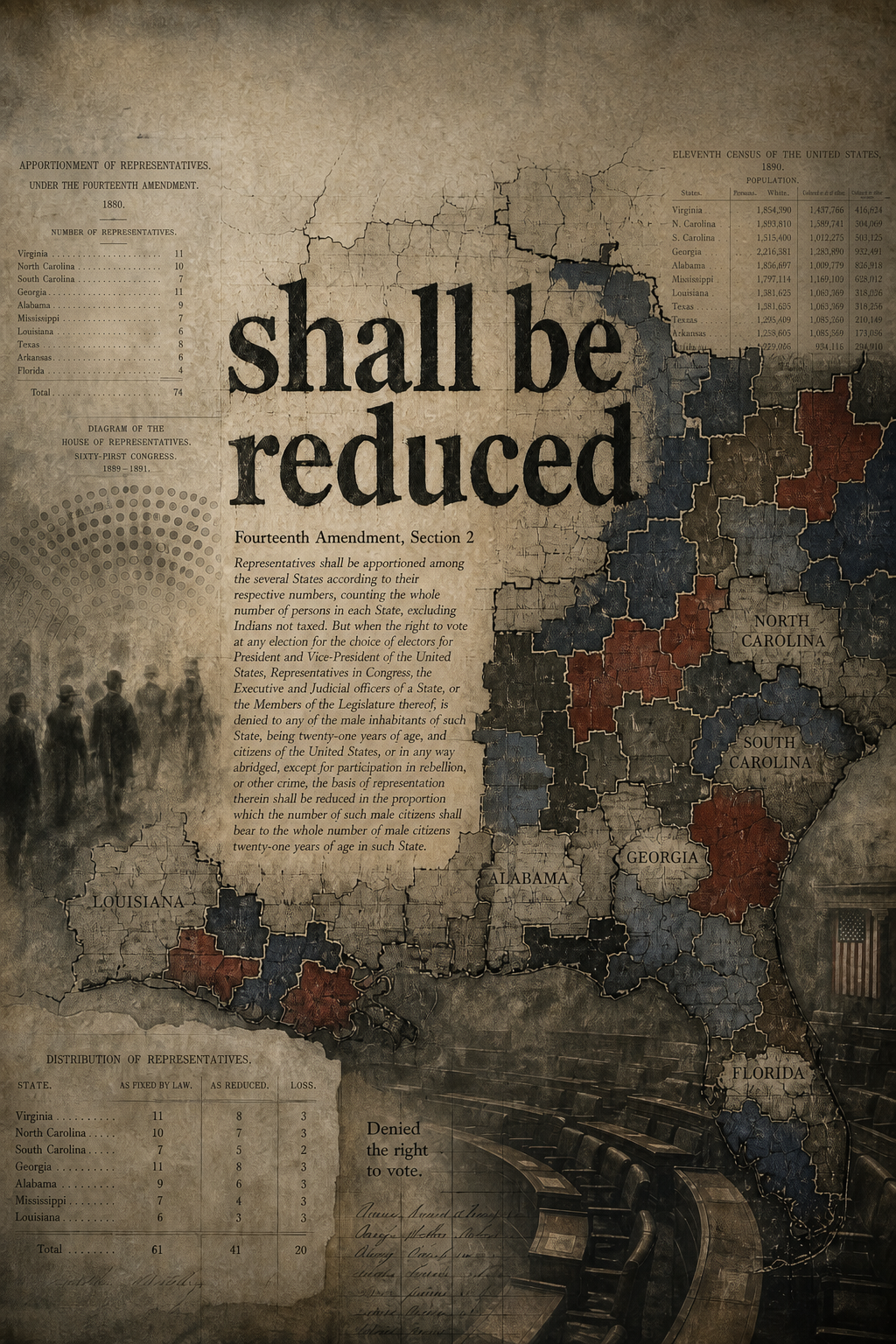
Constitutional Promises vs. Constitutional Reality
The Fourteenth Amendment contains an explicit constitutional penalty for voter suppression: Deny or abridge the right to vote, and you lose congressional representation.
The framers of Reconstruction anticipated exactly what would happen after the Civil War: states preserving political power while suppressing Black voting.
And yet despite decades of Jim Crow disenfranchisement, no state ever lost a single seat under Section 2. Not one. Today, the fights are different — redistricting, vote dilution, majority-Black districts — but the underlying constitutional question remains:
What does the right to vote actually mean if political systems can weaken the power of votes without formally denying them?

The High Cost of Having No Choice
Why does a modest elevator cost four times more in the U.S. than in Europe, a basic car feel like a debt sentence, and a gas bill come from a company you never chose? These aren’t acts of God; they’re the predictable outcome of a system designed to protect business models, not mobility. This essay traces how we got here and argues that if policy built this maze, policy can rebuild it.
The Slow Unraveling of American Democracy
We like to think American democracy is under threat. The reality is harder: it has been unraveling for decades. This piece follows that story. And why “going back to normal” isn’t an option.
The Electoral College: Outdated Compromise or Essential Safeguard?
We don’t really vote for president—electors do. The Electoral College was built as a compromise in 1787, but today it decides who wins (and sometimes who doesn’t). Is it protecting democracy—or rigging it? Let’s talk about why your vote still isn’t equal.
Equal Protection: Not All Discrimination Is Illegal?!
What does “equal protection under the law” really mean? From school segregation to marriage equality, the 14th Amendment has shaped civil rights in America—but not all government discrimination is unconstitutional. Why does race trigger strict scrutiny while age often gets a pass? Let’s break down how the courts decide what's fair—and what's not.
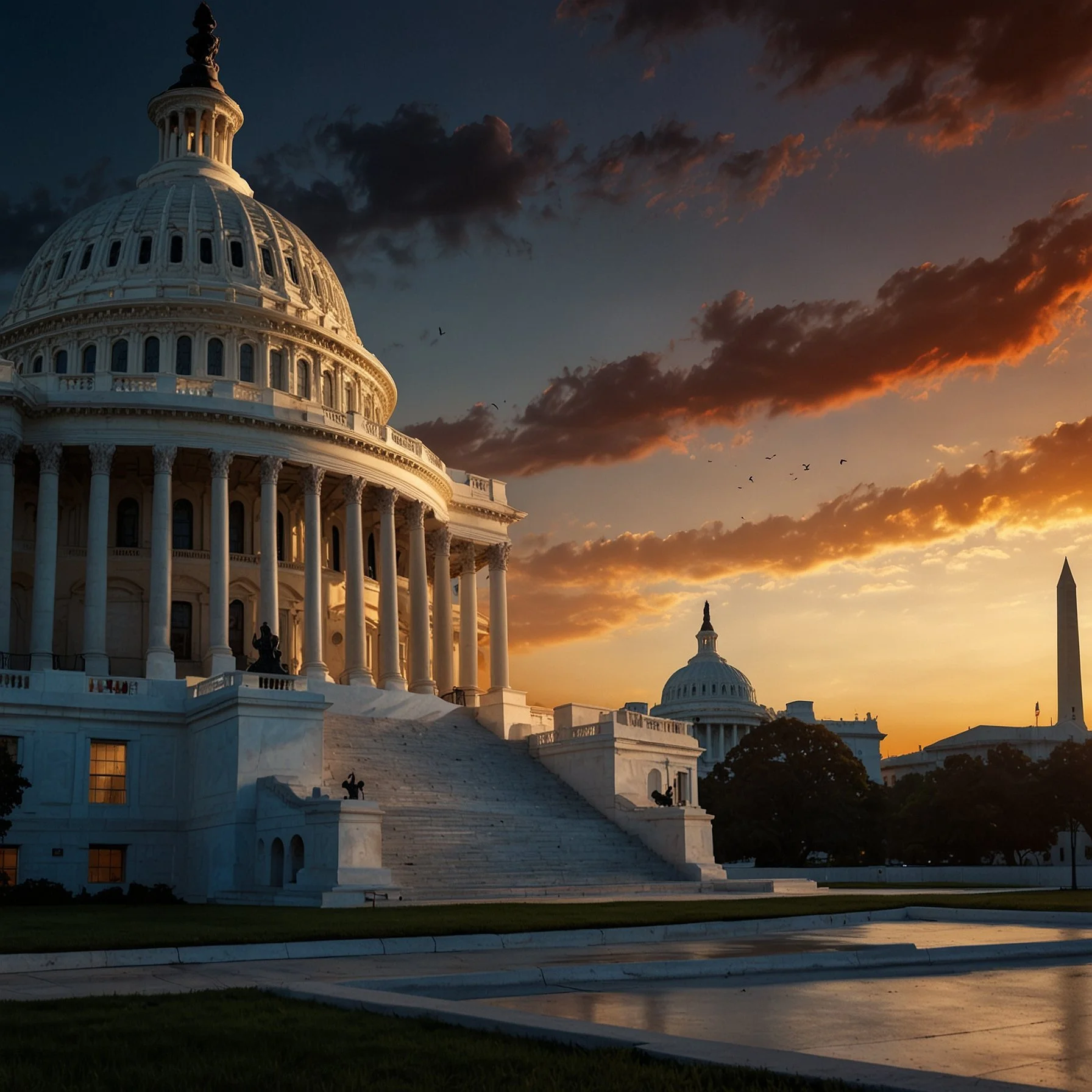
The Great Abdication: How Congress Broke the Constitution
The Founders designed Congress to be the heart of American democracy — the branch closest to the people and strongest under the Constitution. But over time, Congress has surrendered its own powers to the president, the courts, and federal agencies. This “great abdication” has left our government unbalanced, polarized, and dangerously vulnerable to autocracy.
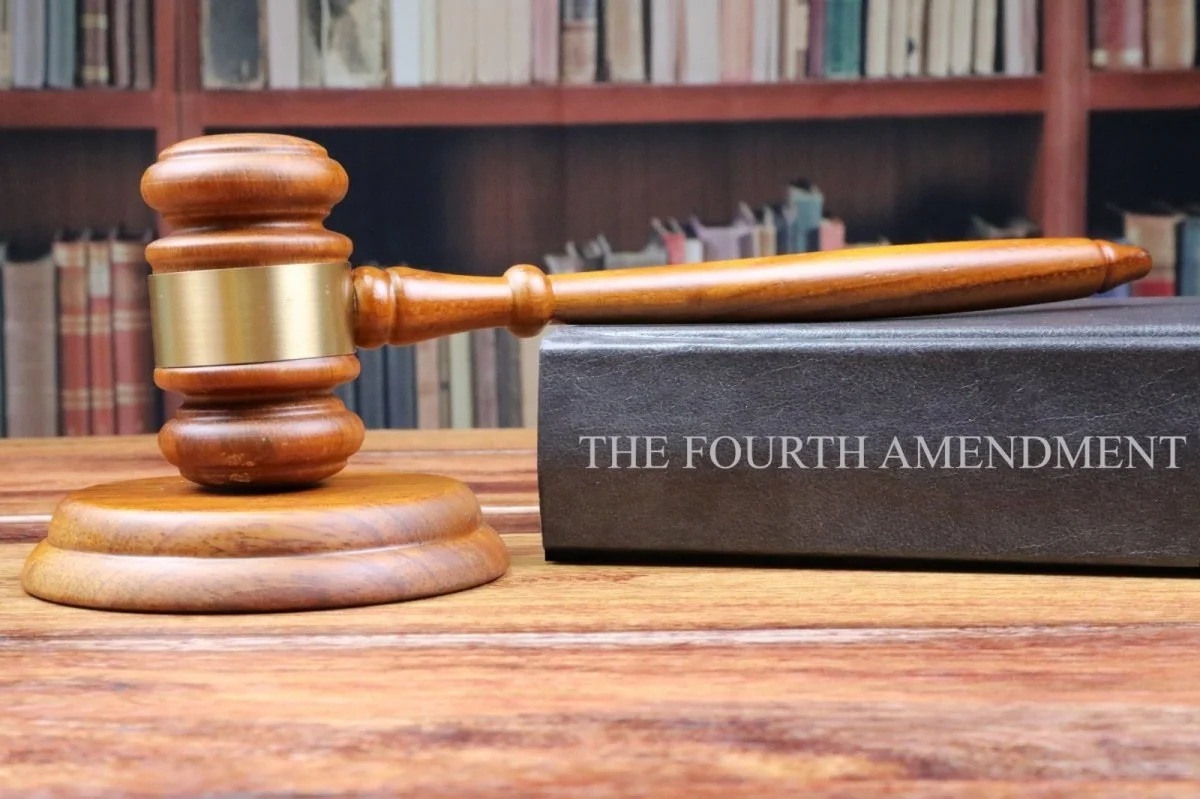
Privacy, Police, and Probable Cause: The Fourth Amendment Unpacked
As part of our Road to 250 series celebrating the 250th anniversary of American independence, this post looks back at the most famous—and infamous—moments when our government’s branches have gone too far. From Lincoln’s wartime actions to landmark Supreme Court and Congressional missteps, overreach isn’t just a modern concern—it’s woven through our history. Join us as we explore these pivotal episodes and reflect on why strong checks and balances remain essential for a healthy democracy
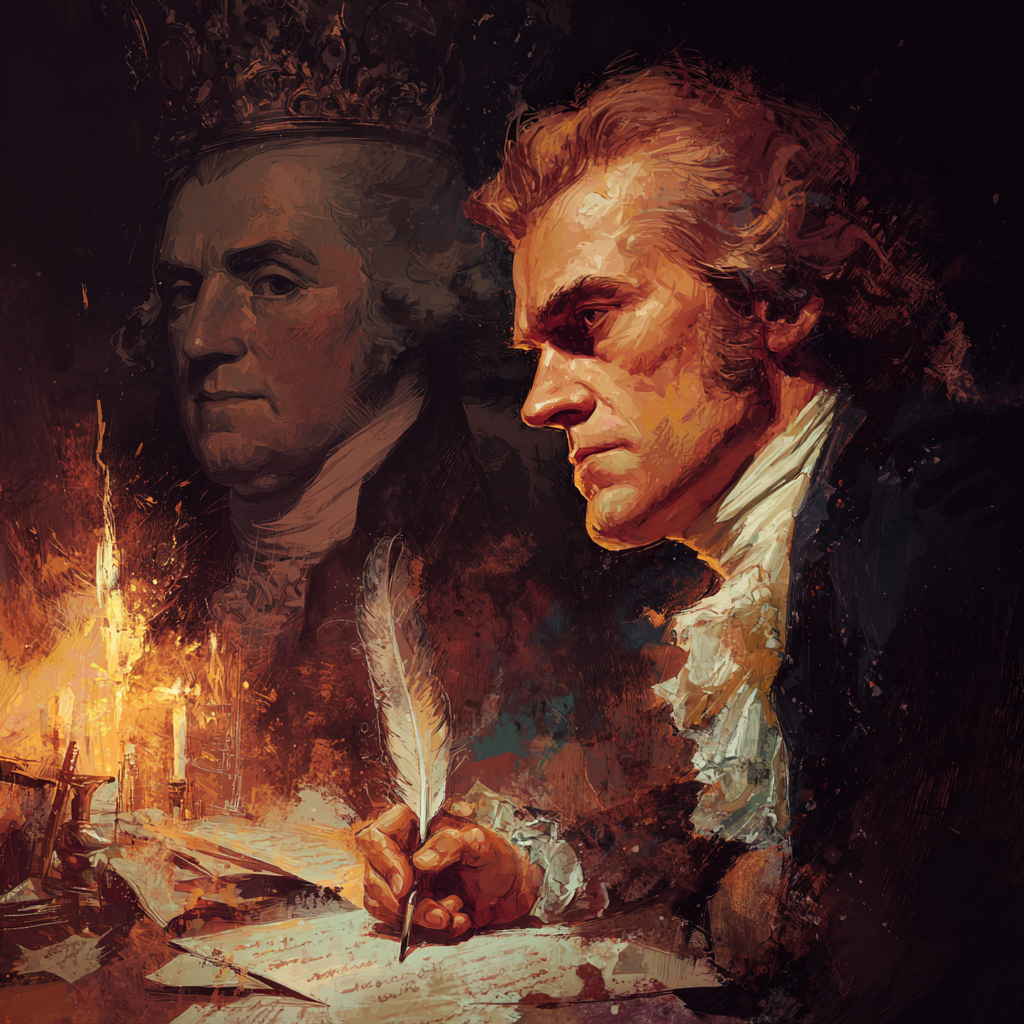
The Audacity of the Declaration of Independence
In 1776, Thomas Jefferson picked up a pen and committed treason. At just 33 years old, he wrote the Declaration of Independence — accusing King George III of tyranny, laying out the case for self-government, and risking death with every stroke of his quill. Imperfect though it was, the Declaration remains one of the boldest acts of rebellion in history.
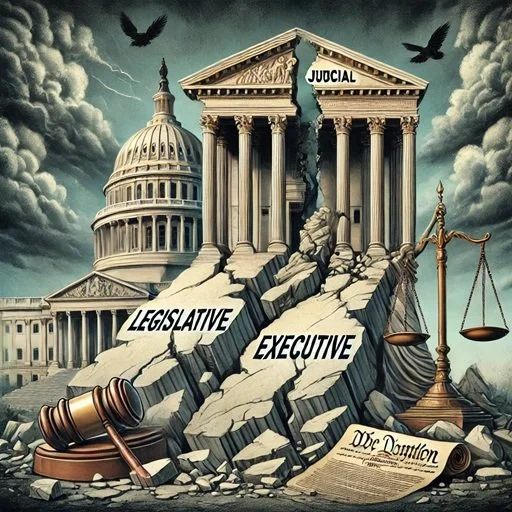
Checks and Balances: A Brilliant Design, But Is It Still Working?
Welcome to the "Road to 250," a series exploring the foundations of American democracy as we approach its 250th anniversary. In this post, we take a hard look at checks and balances—how they were designed to prevent tyranny but are faltering in today’s political climate. From Congress ceding power to the executive branch to courts stepping into policymaking, the balance of power is out of sync. Can we restore it? Dive into the history, challenges, and solutions for this critical system.

The Founders Weren’t Perfect — But They Changed the World
The Founding Fathers were deeply flawed — they compromised on slavery, excluded women, and left contradictions we still struggle with today. But they were also the first in history to build a nation on the radical idea that people could govern themselves. Rebels with a cause, they gambled everything on an experiment in self-government — and changed the world.
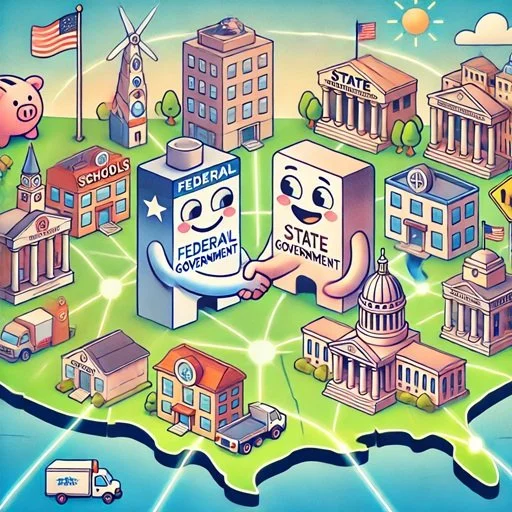
From Conflict to Collaboration: Rethinking State vs. Federal Power
What happens when states and the federal government stop fighting and start collaborating? Cooperative federalism offers a model where shared goals drive innovation and compromise—even in today’s polarized political climate. In this post of the Road to 250 series, we explore insights presented by Heather Gerken, the Dean of Yale Law School on how cooperation can strengthen democracy while addressing complex challenges like healthcare and education.