

Hidden Dollars, Hidden Agendas: Why Campaign Transparency is Key
Money plays a powerful role in shaping elections, but how much do we really know about where it comes from? In this Road to 250 post, we explore the challenges of campaign finance transparency, from dark money to super PACs, and why shining a light on political spending is essential for a healthy democracy. Click to learn more!

What Does the Third Amendment Mean Today? From Revolution to Relevance
What does the Third Amendment—banning the quartering of soldiers in private homes—have to do with modern America? In this Road to 250 post, we explore its Revolutionary War origins, its role in protecting privacy, and its surprising relevance in today’s debates about government power and personal rights. Click to uncover why this "forgotten amendment" still matters!
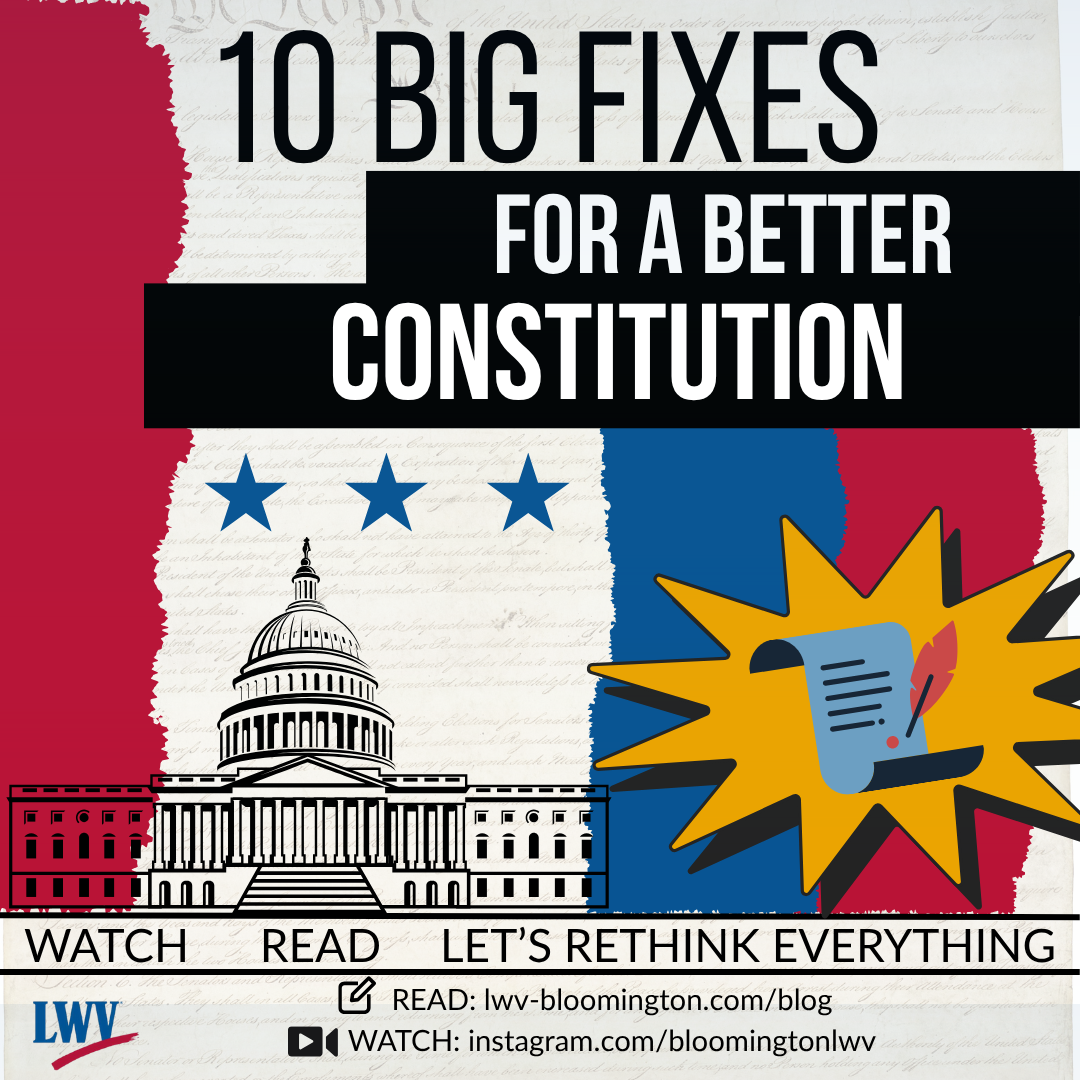
Dreaming Bigger: My Constitutional Wishlist for a Modern America
Dreaming bigger: Here’s my Constitutional Wishlist for a stronger democracy. In just 18 minutes, I share 10 bold ideas for a better Constitution. Watch, reflect, and share. What’s on your wishlist?”

Dreaming Bigger: My Constitutional Wishlist for a Modern America A Vision for a More Perfect Union
Ready for a “Fourth Founding”? Imagine rewriting America’s Constitution for today—a document that guarantees equal rights for all, protects your privacy, ensures every vote counts, and puts people before corporations. What if our Supreme Court, Congress, and elections truly reflected modern values? From climate rights to campaign finance reform, this post explores bold ideas for a just, adaptable, and future-ready democracy. What would you add to your constitutional wishlist? Dive in and join the conversation!
Fairer Elections? The Pros and Cons of Ranked Choice Voting
Money plays a powerful role in shaping elections, but how much do we really know about where it comes from? This post explores the challenges of campaign finance transparency, from the rise of dark money to super PACs, and why shining a light on political spending is essential for protecting democracy. Click to dive into the debate!
The Most Controversial Commas in American History
Did you know that commas in the Second Amendment have fueled centuries of debate over its meaning? In this Road to 250 post, we explore how punctuation shaped one of America’s most controversial rights and what it reveals about the Founders’ intent. Click to uncover the surprising power of grammar in shaping history!
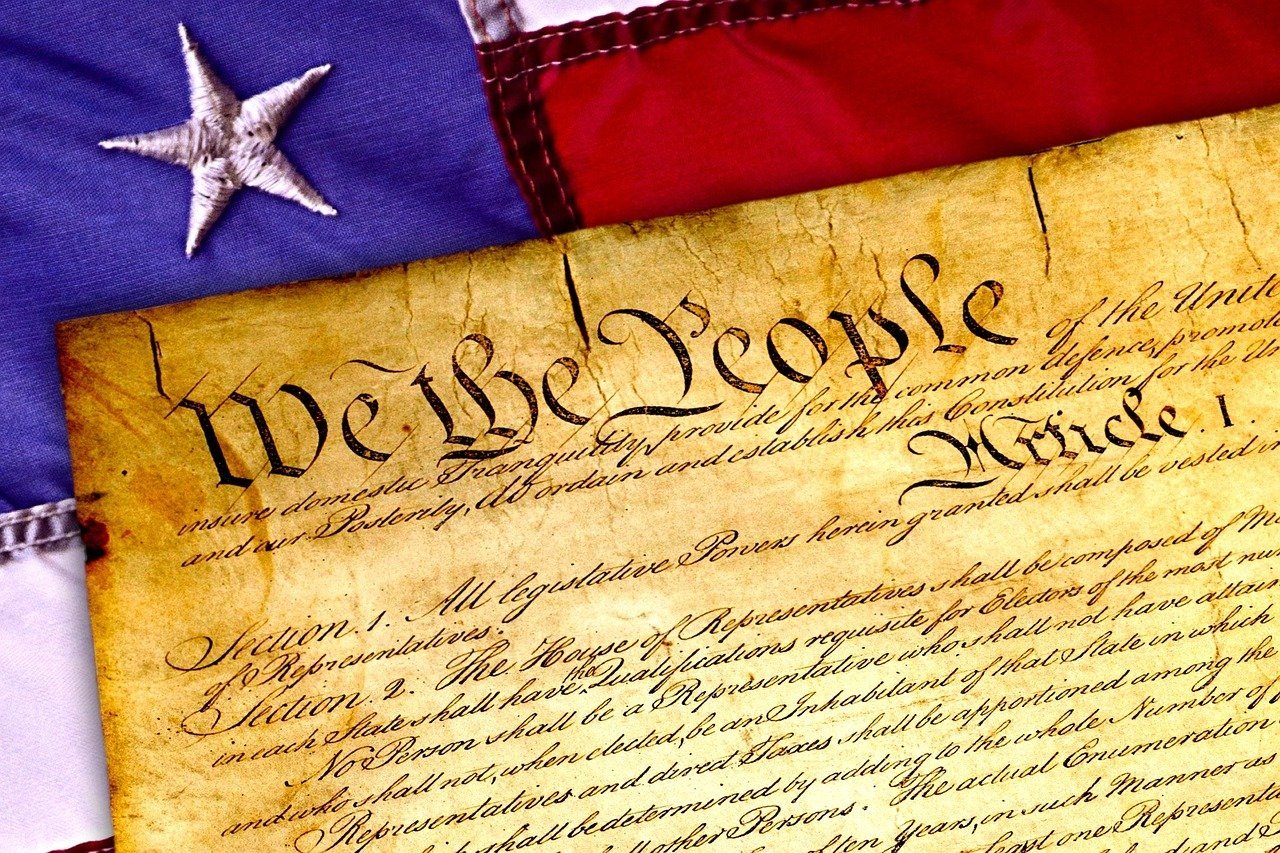
“We the People": Who Counts, Who Decides, and Who's Left Out?
Who really belongs in “We the People”?
The opening words of the Constitution are powerful — but also raise urgent questions about inclusion, representation, and belonging. This post takes a closer look at how that phrase has evolved, who is still left out, and what it means for our democracy today.

The Fourth of July: A Celebration Beyond Fireworks
July 4th marks America’s declaration of independence—a daring act that changed history forever—but did you know September 17th is just as important? In this Road to 250 post, we explore why both dates deserve celebration, from winning freedom with French help to overcoming post-war challenges with the Constitution’s framework for governance. Click to read more!
Road to 250: The Hidden Power of the 9th and 10th Amendments
Did you know the Ninth and Tenth Amendments are key to protecting your rights and shaping federalism? In this Road to 250 post, we uncover how these often-overlooked amendments safeguard unenumerated freedoms and maintain the balance of power between states and the federal government. Click to explore their lasting impact on American democracy!
Power to the People: 10 Steps to Protect Our Democracy
Democracy isn’t just about casting a ballot every few years—it’s a living system that depends on all of us. In this post, discover ten practical, powerful actions you can take to protect and strengthen democracy in your community. From supporting civil discourse to demanding ethical leadership, these tips are your roadmap to making a real difference. Let’s work together to keep democracy strong for generations to come!
What Should the Federal Government Actually Do?
We talk a lot about politics — but we rarely ask what the federal government should actually do. Since the founding of the United States, we've debated the proper role and size of national government. Is it just about defense and justice? Or should it help manage natural disasters, fund schools, and ensure equal opportunities across states? This post explores the foundational questions behind our modern debates — without the noise or partisanship.
Protests, Power, and the President: What the Law Really Says
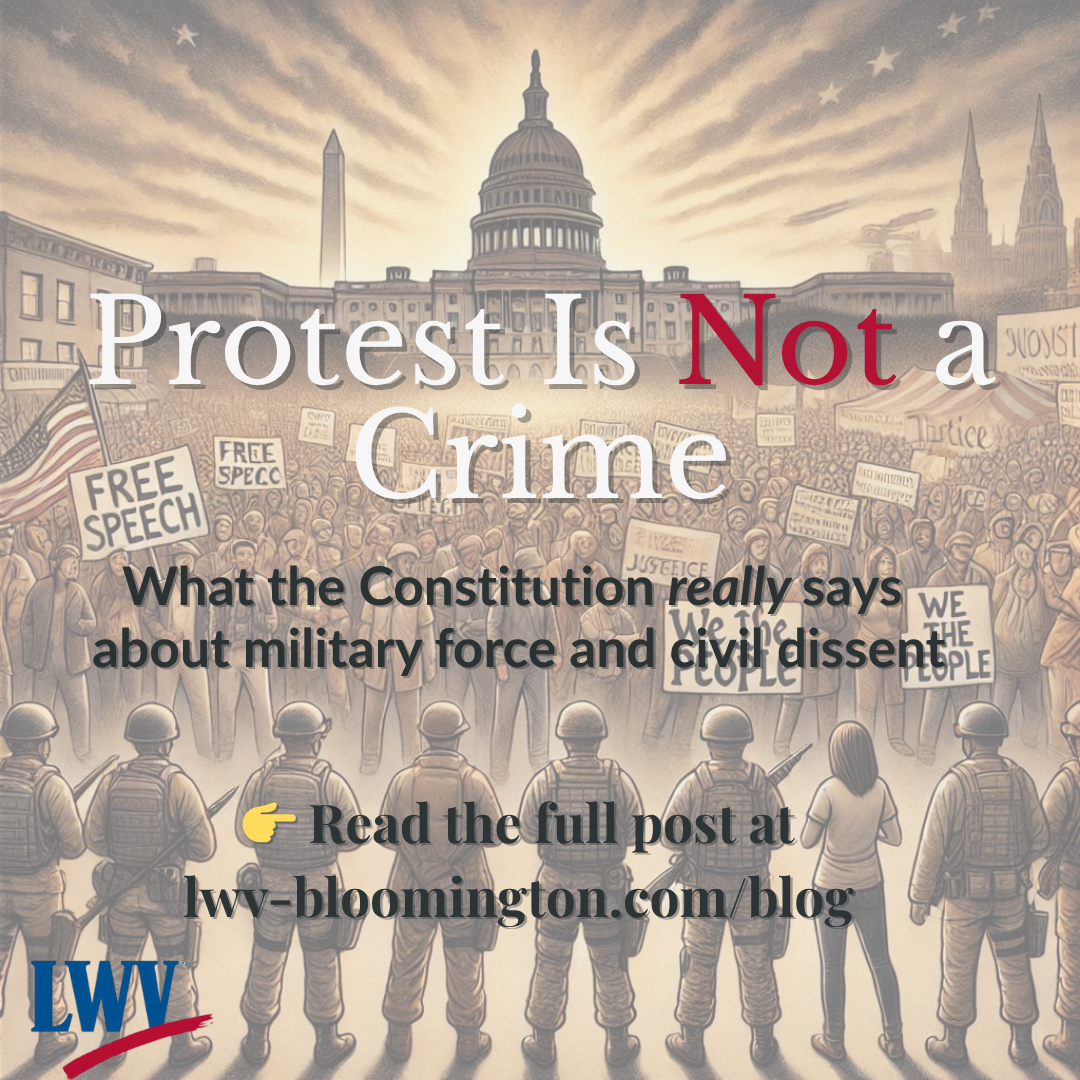
Can the president send in the military to respond to protests—even ones that haven’t happened yet? On June 7, President Trump issued a memo that said yes. This post unpacks the laws behind that decision, the constitutional red flags it raises, and what it means for the future of free speech and dissent in America.
Unwritten Liberties: How Courts Protect What The Constitution Doesn’t Say
What happens when the Constitution’s silence speaks louder than its text? Explore how courts have safeguarded rights like privacy and marriage equality—despite no explicit mention—using the Ninth Amendment’s cryptic promise of “rights retained by the people.” Discover why textualists clash with this approach, and how this legal tug-of-war defines America’s evolving freedoms.

Facing the Shadows: 10 Dark Moments in American History
Every nation has its share of triumphs—and tragedies. While we celebrate America’s proudest achievements, it’s just as important to remember the moments when we fell short of our ideals. From landmark court decisions to acts of injustice and violence, these ten dark chapters in U.S. history still echo today. Discover what happened, why it matters, and how facing the past can help us build a better future. Click to explore the stories that shaped—and challenged—our nation.

What Does It Really Mean to Be Partisan—or Nonpartisan?
Nonpartisan ≠ Neutral. In today’s hyper-polarized world, even organizations committed to civic engagement aren’t immune to accusations of bias. But does speaking up for democracy make you partisan—or just principled? The League of Women Voters is tackling this tricky terrain head-on, asking: Has “nonpartisan” come to mean “non-confrontational”? Are we so afraid of perception that we risk standing for nothing? It’s time to rethink what nonpartisanship truly means—and why it matters now more than ever. Let’s talk.

Vanished Without a Voice: When Due Process Disappears
What happens when due process is ignored? In this installment of "That Ain’t How It’s Supposed to Work," we expose recent cases where immigrants and legal residents were deported to El Salvador’s notorious CECOT prison—without warning, hearings, or a chance to defend themselves. Discover why due process matters for everyone, and why these shortcuts threaten the rule of law for us all.

Dysfunction Is Still a Choice—And We’re All to Blame
From infrastructure disasters to endless delays and unmet promises, America’s inability to get things done is a national embarrassment. This post dives into the real reasons behind our dysfunction—across parties, leaders, and even ourselves. It’s time to stop pointing fingers and start demanding better.

Power to the People: Your Constitutional Safeguards Explained
Discover your secret weapon against government overreach! From free speech to jury trials, the Bill of Rights isn't just history—it's your daily shield. Uncover the hidden powers of the 9th and 10th Amendments, and learn why negative rights are your positive protection. Click to unlock your constitutional superpowers!
Presidential Power Play: Why Retaliating Against Law Firms Breaks the Constitution
When presidents use executive orders to punish law firms they don’t like, that ain’t how it’s supposed to work! In this post, we break down how recent attacks on legal advocates violate multiple constitutional amendments-and why the only right response from the White House is to respect the rule of law. Find out what’s at stake for democracy when leaders try to silence their legal opponents.

Dear America: It Doesn’t Have to Suck This Much
Why have we accepted that nothing works? Government gridlock, endless bureaucracy, and broken systems aren’t laws of nature—they’re problems we can fix. From the Progressive Era to modern global reforms, history proves change is possible when we demand it. This post dives into how Americans once tackled big challenges, why we’ve forgotten that change is possible, and where we can start to make things better. Spoiler: It doesn’t have to suck!