
All Men Are Created Equal—But What About Women and Enslaved People?
The Declaration of Independence: Promise vs. Practice
The Declaration of Independence, adopted on July 4, 1776, is celebrated as a bold proclamation of equality and freedom. Its most famous phrase, “all men are created equal,” has inspired generations to fight for justice. Yet, from the moment it was written, this promise clashed with the harsh realities of slavery and the exclusion of women—two glaring contradictions that reveal the limits of the founding ideals.
The Promise of Equality
Thomas Jefferson, heavily influenced by Enlightenment thinkers like John Locke, drafted the Declaration to assert that all people possess inherent rights—life, liberty, and the pursuit of happiness. However, Jefferson’s original intent wasn’t about individual equality but about asserting the collective right of American colonists to self-governance as equals among nations. Over time, this phrase evolved into a broader call for individual equality, becoming a cornerstone of America’s constitutional creed.
The Contradiction of Slavery
Jefferson’s draft included a scathing critique of King George III for perpetuating slavery, calling it a “cruel war against human nature.” Yet this passage was removed during Congressional revisions due to objections from Southern delegates and Northern merchants involved in the slave trade. This omission left the final document silent on slavery, effectively condoning its existence. Ironically, one-third of the signers were enslavers themselves.
The hypocrisy was evident even at the time. Abolitionist Thomas Day remarked: “If there be an object truly ridiculous in nature, it is an American patriot signing resolutions of independency with one hand and brandishing a whip over his affrighted slaves with the other”. The contradiction persisted until the Civil War, when Lincoln invoked the Declaration’s ideals to justify emancipation and later enshrined them in constitutional amendments.
Women’s Exclusion
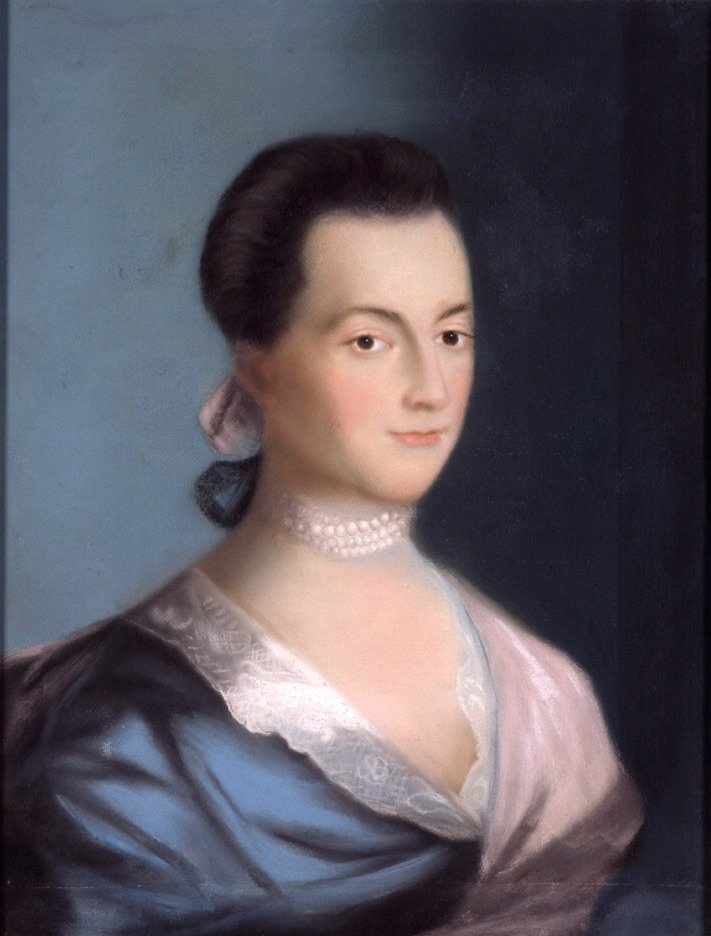
Abigail Adams
This work is in the public domainin its country of origin and other countries and areas where the copyright termis the author's life plus 100 years or fewer.
Women were entirely absent from the Declaration’s vision of equality. Abigail Adams famously urged her husband John Adams to “remember the ladies” while drafting new laws, warning that women would “foment a rebellion” if ignored. Her plea went unheeded. Women lacked property rights, legal autonomy, and suffrage; their status was dictated by doctrines like *femme couverture*, which erased married women’s legal identities.
It wasn’t until 1848 at Seneca Falls that women formally challenged this exclusion. Elizabeth Cady Stanton and others modeled their Declaration of Sentiments on Jefferson’s text, asserting “all men and women are created equal” and demanding voting rights and legal protections. Their struggle culminated in the 19th Amendment in 1920—nearly 150 years after Jefferson’s original declaration.
The Legacy of Unfulfilled Ideals
The Declaration’s lofty ideals have often been used as a moral benchmark to challenge inequality. From abolitionists to suffragists to civil rights leaders like Martin Luther King Jr., reformers have invoked its promise to demand justice. Yet its contradictions remind us that equality requires constant vigilance and action—it is not guaranteed by words alone.
As we celebrate its legacy, we must also confront its failures. The Declaration’s promise remains unfinished business—a call to ensure that its ideals apply to all Americans. Only then can we truly honor its revolutionary spirit
